A Construction Home Loan is a specialized mortgage designed to finance the building or major renovation of a home, with unique features and requirements compared to traditional mortgages. For those in Deland, FL, Priority Mortgages LLC (NMLS #2778432) helps guide borrowers through every step, from initial planning to final move-in, ensuring your construction project is set up for success in our local market.
Key Takeaways
- Flexible Financing: Construction Home Loans in Deland, FL provide funds to build or renovate, with options to convert to a permanent mortgage after completion.
- Draw Schedule: Funds are released in stages as construction progresses, not as a lump sum at closing.
- Detailed Planning Required: Lenders require builder contracts, plans, and budgets before approval.
- Local Expertise Matters: Working with a lender who understands Deland’s permitting and contractor landscape can save time and money.
- Multiple Loan Types: Choose from construction-to-permanent, construction-only, and renovation loans based on your needs.
- Higher Documentation: Expect more paperwork and oversight than a standard purchase mortgage.
- Alternative Options Available: FHA, VA, and rehab loans may be better for some buyers—ask us to compare.
Quick Answers About Construction Home Loans in Deland, FL
- What is a Construction Home Loan? It’s a short-term loan that covers the cost of building or majorly renovating a home, with funds disbursed as construction milestones are met.
- How does a construction-to-permanent loan work? This option funds the build and then automatically converts to a standard mortgage once the home is complete, saving you a second closing.
- What credit score do I need? Most lenders look for a minimum credit score in the mid-600s, but requirements vary by program and lender.
- Can I use a Construction Home Loan for renovations? Yes, certain construction loan programs are designed for major renovations or additions, not just new builds.
- How long does the process take? From application to completed construction, the timeline can range from 6 to 12 months or more, depending on the project scope.
- Are there alternatives if I don’t qualify? FHA 203(k) loans, VA renovation loans, or rehab loan options may be available if a construction loan isn’t the right fit.
How Construction Home Loans Work in Deland, FL
- Initial Consultation: We start by meeting with you to discuss your goals, budget, and the type of property you want to build or renovate. This is where we help you understand your options and what documentation will be needed.
- Pre-Qualification: Our team reviews your finances, including income, assets, credit, and debts, to determine your eligibility and the loan amount you can qualify for. We’ll also discuss different construction loan programs and their requirements.
- Builder and Project Review: You’ll select a licensed builder and provide detailed construction plans, specifications, and a signed contract. Lenders in Deland, FL require thorough vetting of both the builder and the project before moving forward.
- Loan Application and Approval: We submit your full application, including builder documents, plans, permits, and budgets. The lender orders an appraisal based on the completed value of the home and reviews all documentation for approval.
- Loan Closing and Draw Schedule Setup: Once approved, you’ll close on the construction loan. Funds are not disbursed all at once; instead, they’re released in draws as each phase of construction is completed and inspected.
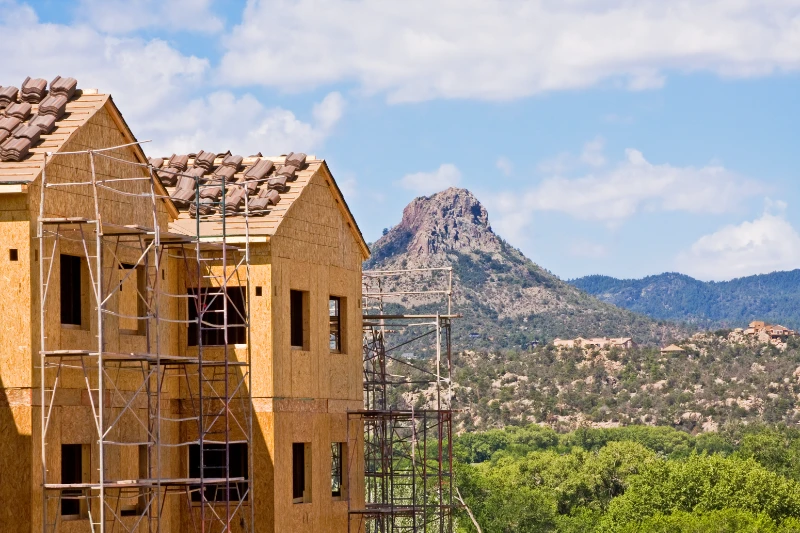
- Construction Phase: As your builder completes each stage—foundation, framing, roofing, etc.—we coordinate inspections and authorize the next draw. This process ensures funds are used appropriately and the project stays on track.
- Conversion to Permanent Mortgage: After construction is complete and the final inspection is passed, your loan either converts to a permanent mortgage or you refinance into a traditional loan, locking in your long-term rate and terms.
Is a Construction Home Loan Right for You?
Construction Home Loans are ideal for buyers who want to build a custom home or undertake a major renovation, and who are comfortable with the additional planning, documentation, and oversight required. In our experience, this program is especially popular among first-time home buyers seeking a truly personalized space, investors looking to maximize property value, and first responders who may have access to special builder incentives in Deland, FL. If you’re a member of the West Volusia Association of Realtors or active in the Young Professional Network, you may already know local builders and contractors who can help streamline the process.
However, a Construction Home Loan may not be the best fit for everyone. If you’re looking for a move-in ready home, need a quicker closing, or have limited time for project management, you may want to consider alternatives like a FHA Home Loan or a first-time home buyer program. For those focused on investment properties, our DSCR Home Loan or investment property loan options may offer a better balance of speed and flexibility.
Costs, Fees, and What to Expect with Construction Home Loans
Construction Home Loans come with unique costs and timelines that differ from traditional mortgages. You’ll typically need a larger down payment—often 10% to 20%—and should budget for closing costs, builder fees, inspection fees, and interest-only payments during construction. Rates on construction loans may be slightly higher than standard fixed-rate mortgages, reflecting the added risk and complexity. The overall process, from application to final conversion, can take 6-12 months or more depending on the scope of your project and local permit timelines in Deland, FL.
It’s important to compare your options. Some borrowers find that programs like rehab loans or FHA loans offer lower down payment requirements or simpler approval processes, especially for renovations. Here’s a quick look at how construction loans stack up:
| Feature | Construction Home Loan | FHA Home Loan | Conventional Mortgage |
|---|---|---|---|
| Down Payment | 10-20% (varies by lender/project) | 3.5% (as of 2026) | 3-20% (program dependent) |
| Interest Rate | Typically higher during construction | Competitive fixed or adjustable | Fixed or adjustable, usually lower than construction phase |
| Closing Costs | Higher, may include multiple closings | Standard | Standard |
| Timeline | 6-12+ months | 30-60 days | 30-60 days |
| Documentation | Extensive (plans, permits, builder contracts) | Standard income and property docs | Standard income and property docs |
We recommend reviewing your budget and timeline carefully, and we’re happy to walk you through the numbers for your specific project.
Common Mistakes to Avoid with Construction Home Loans
- Underestimating Total Costs: Many borrowers overlook soft costs like permits, utilities, and contingency funds, leading to budget shortfalls mid-project.
- Choosing the Wrong Builder: Working with an unlicensed or inexperienced builder can cause delays, cost overruns, and even loan denial. Always verify credentials and local experience.
- Skipping Pre-Approval: Starting construction without a solid pre-approval can result in financing delays or changes to your project scope.
- Ignoring Draw Schedule Details: Not understanding how and when funds are released can disrupt cash flow and stall construction.
- Missing Permit or Zoning Requirements: In Deland, FL, local codes and HOA rules can impact your timeline—always confirm requirements before starting.
- Overextending Financially: Taking on a project that stretches your budget too thin can create stress and risk, especially if unexpected costs arise.
Local Considerations for Construction Home Loans in Deland, FL
Deland, FL has its own unique factors that can influence your construction project and loan process. Local permitting offices may have specific requirements or seasonal backlogs, so it’s important to plan for potential delays. In our experience, working with builders who have a track record in Volusia County can help navigate inspections and code compliance more smoothly. If you’re involved with the West Volusia Fellowship of Christian Athletes or other community groups, you may have access to trusted local referrals. Land availability, flood zones, and hurricane codes are also important considerations—let us help you review these before you commit to a lot or builder.
Ready to Explore Your Construction Home Loan Options?
We know that building or renovating a home is a big step, and we’re here to make the process as smooth and transparent as possible. It was great speaking with you about your goals, and we look forward to working with you and your family to bring your vision to life. Please let us know if you have any questions and we will be happy to help in any way that we can. Get started with Priority Mortgages LLC (NMLS #2778432) today by requesting a personalized quote at priority-mortgages.com/quote/.
This is educational content and not financial advice. Loan programs and guidelines can change. Talk with a licensed mortgage professional about your specific scenario.
Get started today!
Fill out the questionnaire on this page to start a discussion about your mortgage needs today!
Applying for a Construction Home Loan
Applying for a construction home loan can be an exciting and rewarding process for those looking to build their dream home. Before beginning the application process, it is important to understand the various types of construction loans available and how they work. Construction loans typically come in three main types: construction-only loans, construction-to-permanent loans, and owner-builder construction loans. Each type of loan has its own set of requirements and eligibility criteria, so it is essential to work with a knowledgeable loan officer who can guide borrowers through the application process and help them determine the best loan program for their needs.
When applying for a construction home loan, lenders will typically evaluate important factors such as credit scores, income ratios, and financial statements. Meeting the minimum credit score requirements and demonstrating a stable income history are vital for securing approval. Additionally, lenders will assess the borrower’s ability to handle the financial responsibilities of both the construction phase and the long-term financing. Another key consideration is the evaluation of detailed plans for the construction project, ensuring that the architectural and construction plans are feasible and meet all necessary regulations.
During the application process, borrowers will also need to provide information about the construction costs, including materials, labor, and any other related expenses. They may also need to factor in closing costs and any required down payment. It is essential to have a clear understanding of the payment requirements, including the interest-only payment options during the construction period and the transition to regular mortgage payments once the construction is complete.
Overall, applying for a construction home loan involves careful planning, thorough documentation, and attention to detail. By working closely with an experienced loan officer and providing all required information, borrowers can navigate the loan process smoothly and secure the financing they need to bring their dream home to life.
Credit Score Requirements
When applying for a construction loan, credit score requirements play a crucial role in determining eligibility. Lenders typically evaluate credit scores to assess the borrower’s creditworthiness and ability to handle the financial responsibility of a construction project.
The minimum credit score needed to qualify for a construction loan will vary among lenders. However, most lenders will require a credit score of at least 680 or higher. This demonstrates a solid credit history and increases the chances of loan approval.
It is important to note that the credit score requirements for construction loans can vary depending on the lender and the specific loan program. Some lenders may have more lenient credit score requirements, while others may require a higher minimum credit score.
For borrowers with lower credit scores who still wish to pursue a construction loan, there are lenders who specialize in offering construction loans to individuals with less-than-perfect credit. These lenders may be more flexible and offer loan programs specifically tailored to meet the needs of borrowers with lower credit scores. Consulting with these specialized lenders can provide more options for those with credit scores below the average requirement.
In conclusion, while a credit score of 680 or higher is typically necessary to qualify for a construction loan, it is essential to explore lenders who offer construction loans for lower credit scores to increase the chances of approval.
Income Ratio Requirements
When applying for a construction home loan, lenders typically have income ratio requirements that need to be met. These requirements help lenders assess the borrower’s ability to repay the loan.
The income ratio is calculated by dividing the borrower’s total monthly debt payments by their monthly income. This provides lenders with an understanding of the borrower’s debt-to-income ratio, which is an important factor in determining loan eligibility.
On average, lenders typically require a debt-to-income ratio of no more than 45%. This means that the borrower’s total monthly debt payments, including the mortgage payment, should not exceed 45% of their monthly income.
Having a stable income is crucial when applying for a construction home loan. Lenders want to ensure that borrowers have a steady source of income to make their monthly payments. Additionally, having a low debt-to-income ratio demonstrates that the borrower has enough income to cover their existing debts and the additional mortgage payment.
It is important for borrowers to carefully review their financial situation and ensure that they meet the income ratio requirements before applying for a construction home loan. This will increase their chances of loan approval and help them secure the necessary financing for their construction project.
Documentation Needed to Apply for a Construction Loan
When applying for a construction loan, there are several important documents that you will need to provide to the lender. These documents are necessary for the lender to assess the feasibility and viability of your construction project.
First and foremost, you will need to submit detailed architectural plans and drawings of the proposed construction. These plans should include the design and layout of the structure, as well as any landscaping or exterior features. The lender will review these plans to ensure that they meet building code requirements and comply with all necessary regulations.
In addition to the architectural plans, you will also need to provide builder’s certifications. These certifications verify that the builder or contractor has the necessary qualifications and experience to complete the construction project. This helps to ensure that the work will be done professionally and up to standard.
Building code compliance is another crucial aspect of documentation for a construction loan. You will need to provide evidence that your construction plans meet all relevant building codes and regulations. This can include certificates of compliance, inspections reports, and permits.
A detailed construction budget is also required when applying for a construction loan. This budget outlines all the expected costs associated with the project, including materials, labor, and any additional expenses. The lender needs this information to assess the feasibility of the project and determine the appropriate loan amount.
A schedule for periodic inspections is typically required. This schedule outlines when inspections will be conducted throughout the construction process to ensure that the work is progressing as planned and meets the necessary standards.
In summary, the documentation needed to apply for a construction loan includes architectural plans and drawings, builder’s certifications, building code compliance documentation, a detailed construction budget, and a schedule for periodic inspections. Providing these documents helps the lender evaluate the project and determine the loan amount.
Finding a Lender and Choosing the Right Type of Loan
When embarking on a construction project, one of the first steps is finding a lender and choosing the right type of loan for your needs. This process involves careful consideration of various factors to ensure that you secure the financing that best fits your requirements.
Firstly, it is crucial to assess your construction loan needs. This includes evaluating your savings for a down payment, your credit score, and the desired loan amount. These factors will influence the type of loan you can qualify for and the terms and conditions that you can expect.
Next, it’s important to research and compare different lenders. Look for lenders who specialize in construction loans and offer the types of loans that meet your specific needs. Consider their interest rates, as well as any closing costs or fees associated with the loan. It’s also essential to consider their payment options, such as monthly payments or interest-only payment options.
Take into account the types of construction loans they offer. Some common options include construction-to-permanent loans, construction-only loans, and renovation loans. Each type has its own requirements and benefits, so choose the option that aligns with your project goals and financial situation.
In conclusion, when looking for a lender and choosing the right type of loan for construction home loans, carefully assess your needs, research and compare lenders, consider loan types and interest rates, and evaluate payment options. Taking the time to do thorough research will help ensure you secure the financing that best suits your construction project.
Understanding Different Types of Construction Home Loans
When it comes to financing a construction project for your dream home, understanding the different types of construction home loans is essential. These loans offer the necessary funds to cover the costs of building or renovating a residential property. Depending on your specific needs and financial situation, you have various options to choose from, including construction-to-permanent loans, construction-only loans, and renovation loans. Each type has its own requirements, benefits, and payment options, so it’s crucial to carefully consider which loan aligns with your project goals and financial capabilities. By understanding these different types of construction home loans, you can make an informed decision and secure the financing you need for a successful construction project.
Traditional Mortgages
Traditional mortgages are long-term loans typically lasting 15-30 years, designed for individuals purchasing an already-built residential property. Unlike construction loans, which are short-term loans usually no longer than a year, traditional mortgages provide borrowers with a one-time lump sum payment to purchase the property.
With a traditional mortgage, borrowers make immediate principal and interest payments from the start of the loan term. These mortgages offer stability and predictability, allowing homeowners to plan their monthly budgets around fixed mortgage payments. Additionally, traditional mortgages are often available at competitive interest rates.
While traditional mortgages are suitable for purchasing move-in ready homes, construction loans are specifically designed for financing the construction of a new home or significant renovations. During the construction period, borrowers typically make interest-only payments on their construction loans, which helps manage cash flow during this stage. Once the construction phase is complete, construction loans can be converted into permanent mortgages or paid off with long-term financing.
In summary, traditional mortgages are long-term loans with a one-time lump sum payment, whereas construction loans are designed for shorter-term financing during the construction phase. Both options provide different benefits depending on the borrower’s needs and stage of the property purchase or renovation process.
Construction Home Loan FAQ
Which loan is best to build a house?
The best loan to build a house generally is a construction loan, which is specifically designed to finance the building of a new home, allowing for interest-only payments during the construction phase and often offering a seamless transition into a traditional mortgage once the home is complete.
What are the disadvantages of a construction loan?
Disadvantages of a construction loan include higher interest rates, stricter credit requirements, and a more complicated approval process compared to regular loans. There’s also the risk of construction delays which can increase costs.
What is the difference between a construction loan and a regular loan?
The primary difference between a construction loan and a regular home loan is that a construction loan is used to finance the building of a new home, with funds disbursed at various stages of the construction process, while a regular loan is used to finance the purchase of an existing home.
Is it cheaper to buy or build a house?
Whether it is cheaper to buy or build a house can depend on a variety of factors including the real estate market, the cost of construction in your area, and your specific preferences and requirements. Generally, building can be more expensive, but it allows for customization.
